
A Minecraft server, written from scratch in Rust.
Rust owns the world. Java exists in exactly two bounded places, and a standing test proves the server still works when you take it away.
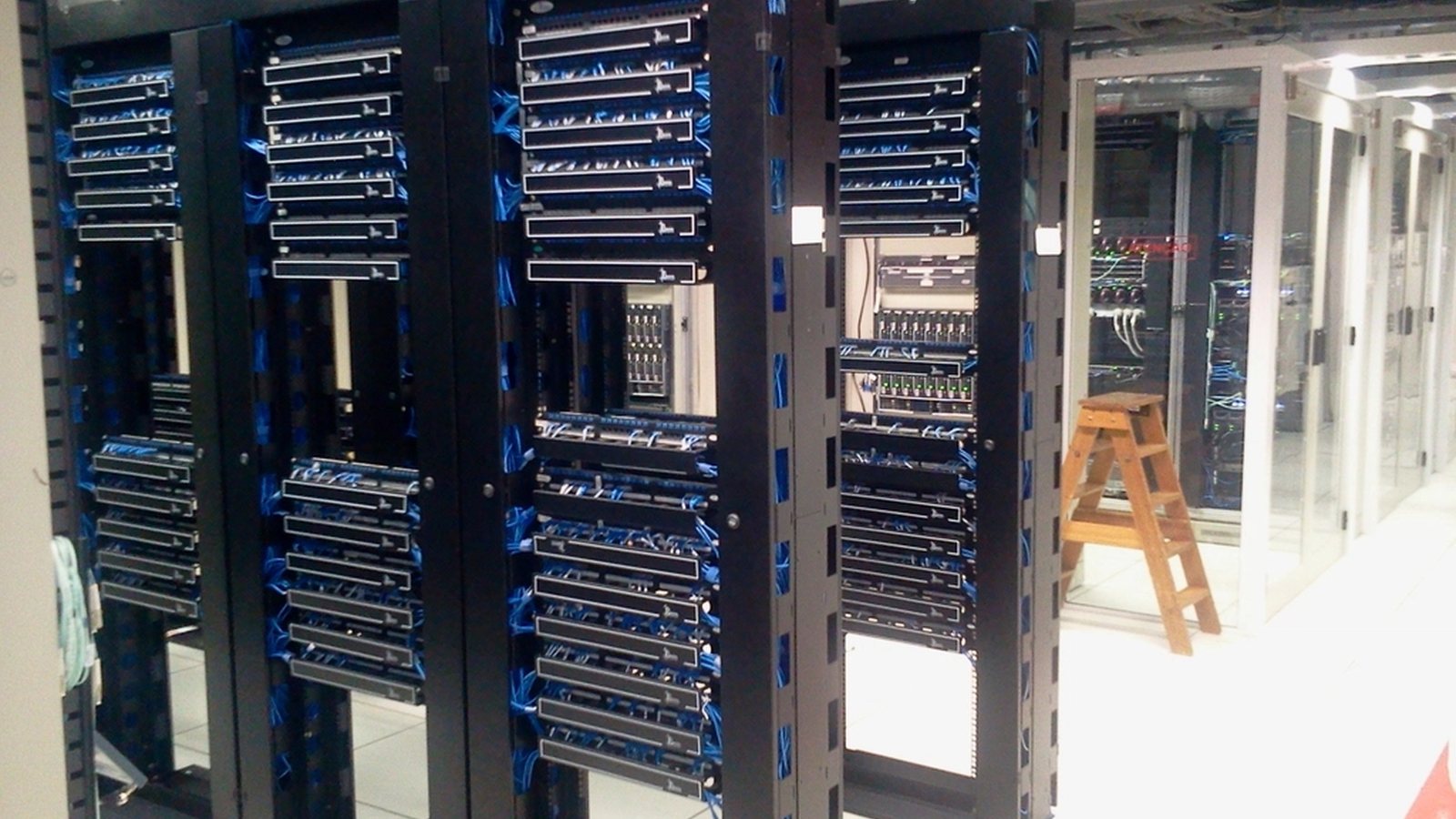
Multi-version from the first commit.
The packet codec was written multi-version from commit one, because retrofitting it later is a rewrite rather than a refactor. Protocol work is implemented against decompiled game sources rather than community wiki data, and where the two disagreed, the decompile won.
An embedded runtime, for plugins only.
Bukkit and Paper plugins genuinely are compiled bytecode, so a Java runtime is embedded to load them, plus a launcher that hosting panels expect. The boundary is enforced by a test that runs on every change: with the runtime disabled the server must still boot, and every feature except plugin loading must still work.
There is a line-count ratchet on the Java tree, so the exception cannot quietly grow.
Parity is the exit criterion, not the vibe.
The worldgen phase does not finish when the terrain looks right. It finishes when output is block-identical to a real vanilla server across ten seeds.
Worldgen defects are the expensive class, because they are latent in every chunk already written to disk. Fixing one does not repair the world it already produced, and ordinary unit tests pass straight over them.
Related

Robotics Fleet
Machines that see, hear and reason, entirely offline. No cloud, no accounts, no eavesdropping.
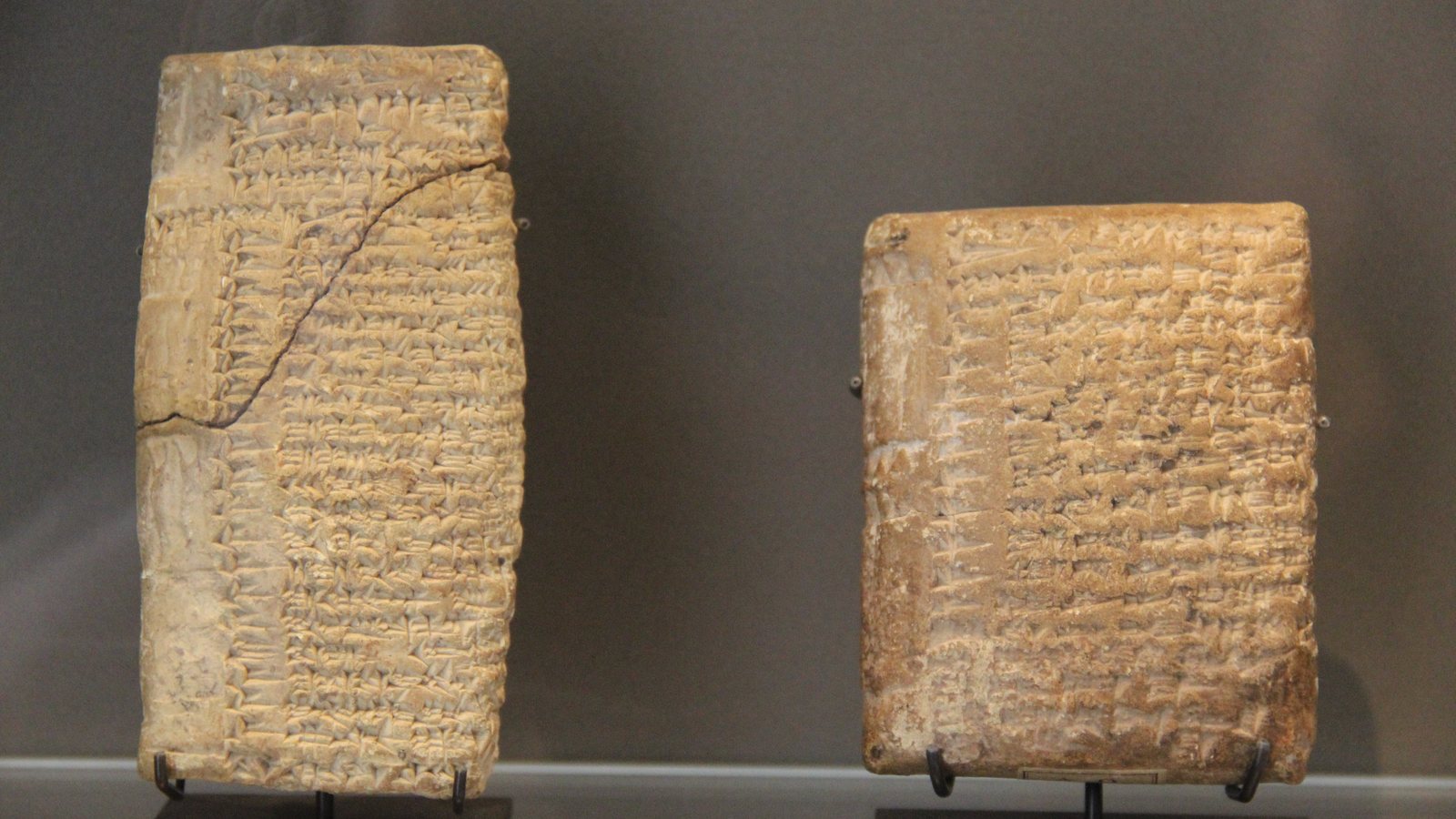
Return of the Runes
Describe what you want to make and the runes answer. A finite named set on an open-ended scorer.

Forge Part Picker
36,217 models across 21 categories, 1985 to 2027, with live prices and rule-based compatibility.