
Describe what you want to make. The runes answer.
A craft takes seven component runes and a stated intent. The components blend, the result is compared to the intent, and the score decides what you get.
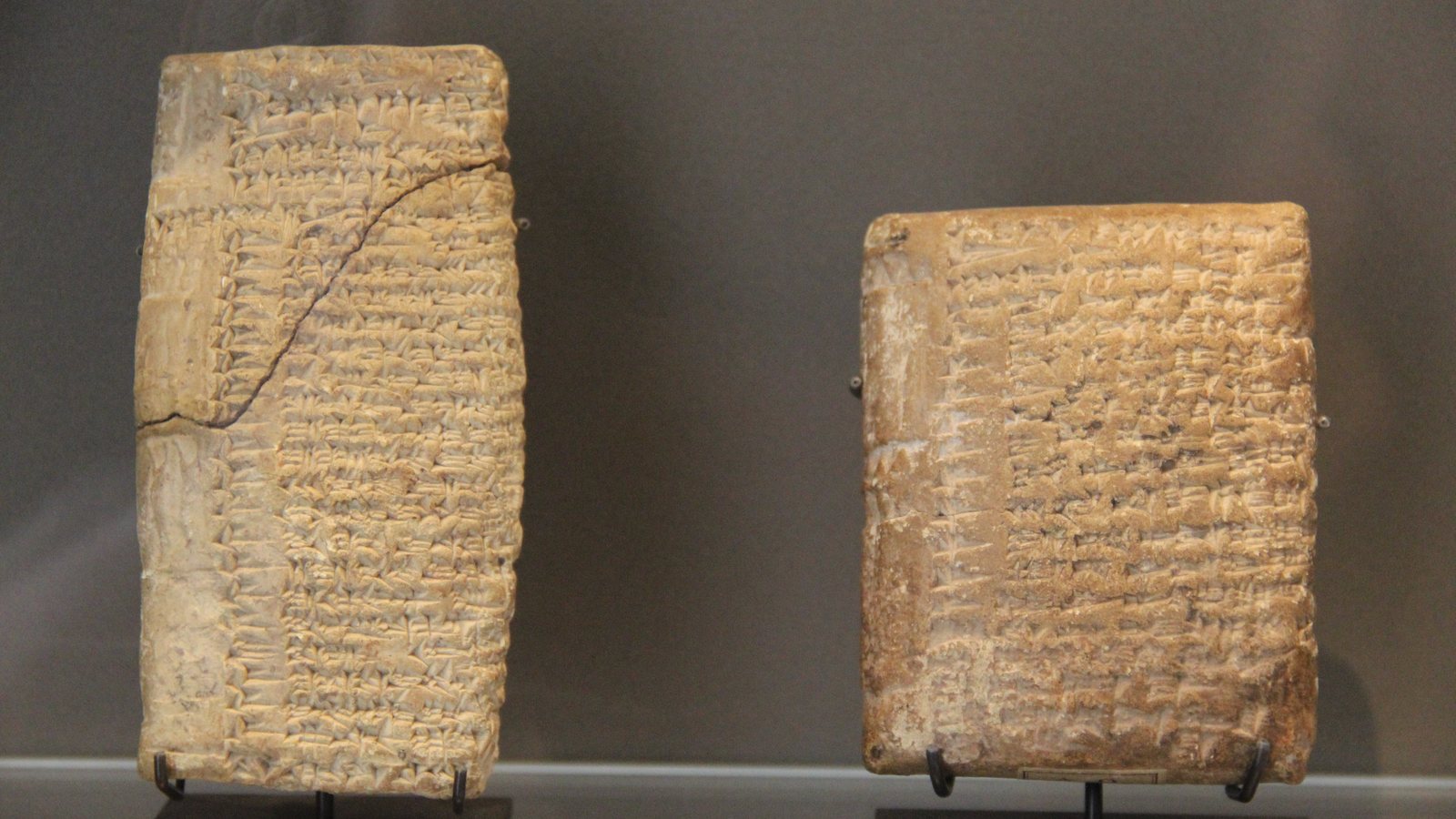
A finite list on an infinite function.
1,625 runes are hand-generated and named. That list is closed. The scorer behind it is not: any intent with any components is scored live by the same function, so a rune nobody has seen before is still a real result rather than a failure case.
New discoveries persist to the shared database, which means the world's rune set grows once, for everyone. Not per player, and not per server.
The scorer is deterministic, and it is the only thing that sets power.
The crafting interface is an intent box. An optional server-side oracle can name and describe a newly discovered rune, but it never decides how strong that rune is. That is an explicit anti-exploit rule: anything that writes prose can be talked into writing better prose, and power must not be reachable that way. The oracle ships disabled.
An Earth-scale planet that fits on one drive.
The world is a sphere at real Earth radius with a playable shell about eight kilometres thick, carved out of a uniform lattice at quarter-metre voxels. Storing that densely would take 268 exabytes, so nothing is stored. The planet is a seed and a generator graph under one megabyte, a coarse height and albedo map that ships with the client, and the edits players actually make.
Compute follows players rather than geography. There are no fixed regions and no handoffs at boundaries, so scale is driven by how many people are playing, not by how big the world is.
Related
Robotics Fleet
Machines that see, hear and reason, entirely offline. No cloud, no accounts, no eavesdropping.
Dust MC
A Minecraft Java Edition server written from scratch in Rust. No fork, no vendored code.
Forge Part Picker
36,217 models across 21 categories, 1985 to 2027, with live prices and rule-based compatibility.